

The First Harvest
At Lughnasadh: Reflections, Gratitude, and the Sacred Cycle

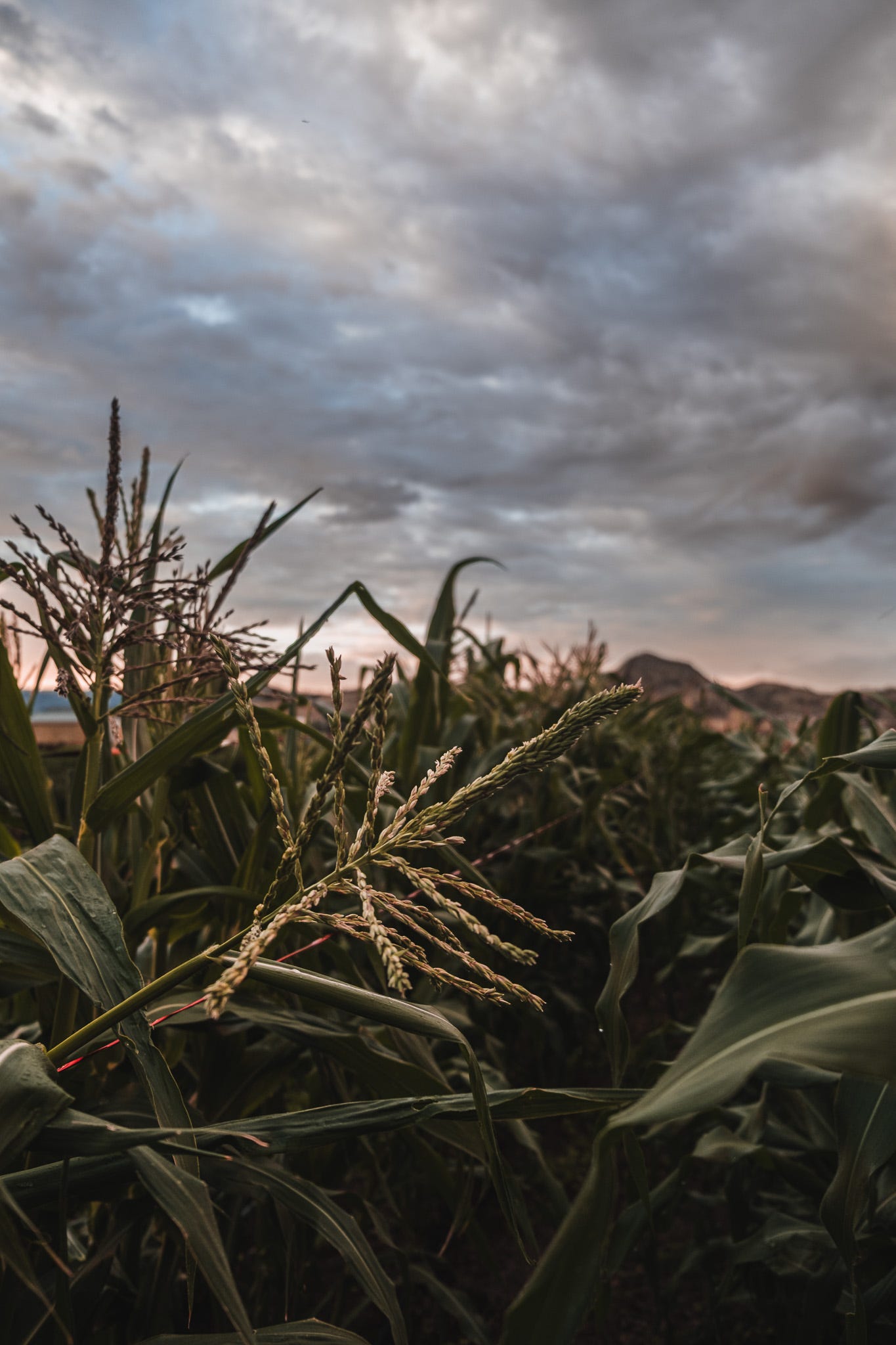
The first harvest… I’ve been awaiting this it seems. I always feel this way this time of year – the dregs and heat of summer begin to wear on me and I start to yearn for what is to come - the cooler, darker days where I can rest and retreat.
Lughnasadh is here.
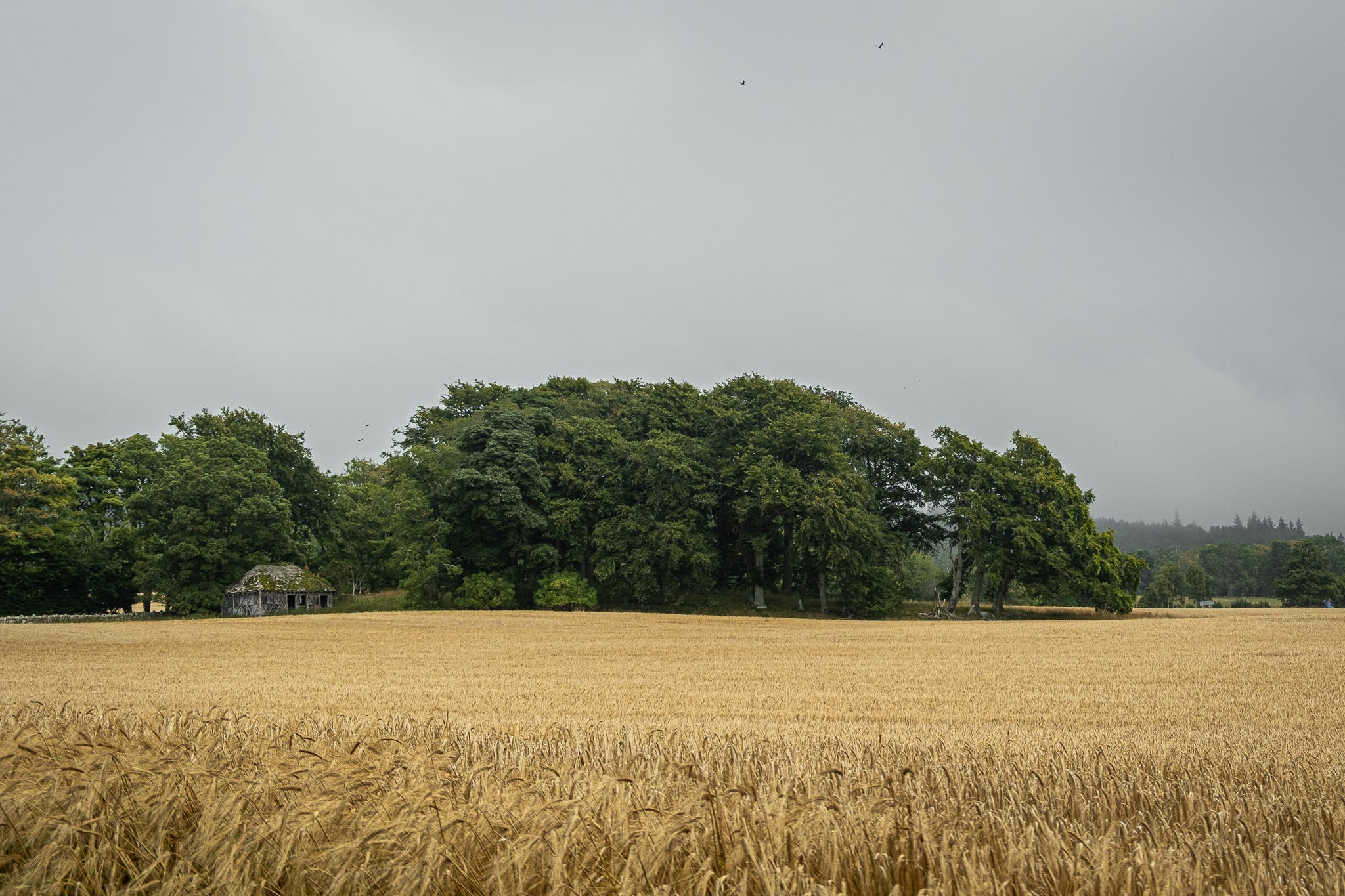
The brilliant greens yield to deep golden grasses, swaying in the setting sun. Seeds are coaxed by the wind and the sickle from their homes, blown across the path, making their way to the soil that is waiting to take them in, waiting to hold them for these months ahead… their new home.
This is the time when the circle begins to close. The culmination of all of the work of the wheel of the year, of nature’s process, comes to this moment: the harvest. All that was longed for, prayed for, prepared for, worked for, sacrificed for comes to fruition.
It seems that people struggle to connect with this festival, this season the most. As disconnected as we are from farming cycles (nature’s cycles) these days, I think the disconnect makes sense. Yet, I think our own internal cycles mirror those of the Earth. While we may say “harvest”, it isn’t always about the crop we bring in now, but about what we are cultivating in our lives during this season, this cycle. It is about what we’ve worked hard to embody, to bring forth.
I’ve begun to think about the wheel of the year in three sections: the Stillness, the Rebirth, and the Harvesting. Between the Stillness and the Rebirth is a period of healing and learning from the past cycle, of regaining energy. Between Rebirth and Harvest comes creation, expansion, and integration. Between Harvest and Stillness comes the descent into ourselves, a quieting to listen so that we can find in our own depths a deeper truth. Each part of the wheel can only exist in rhythm with the others, it is a cycle of death and life. When we consider the wheel from the perspective of our ancestors, it was truly about death and life, about working with the earth, the natural world, to stay alive. Our ancestors were tied to the land, dependent on it to provide for them, and the land tied to the seasons as they waxed and waned.
Each of these festivals, every six weeks ticking on, invites us to pause and reflect. To take account of where we are, what is behind, and what is ahead.
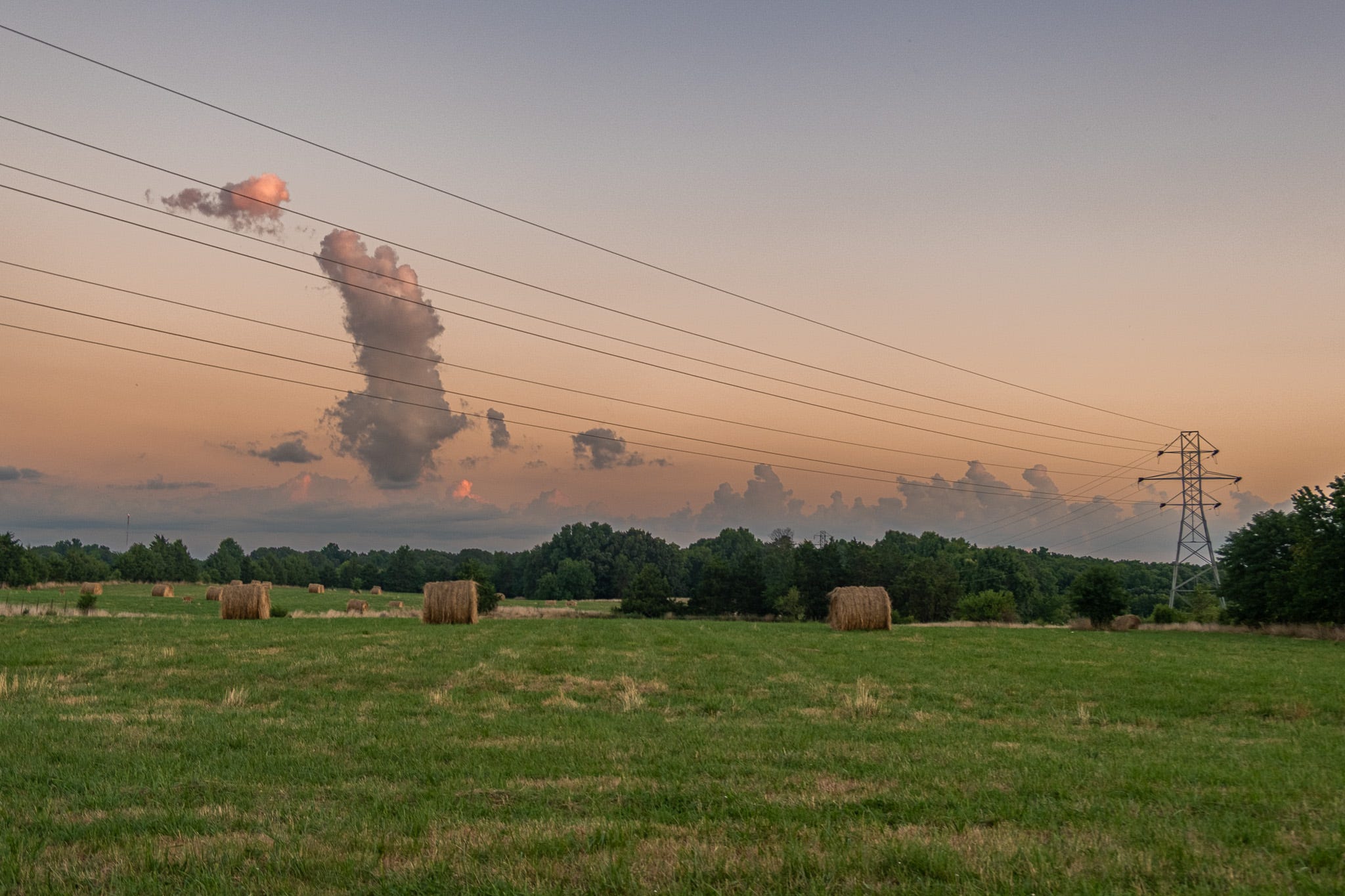
Behind us, we see all the hard work we’ve put in these many challenging months. All the processing and planning, the motivating and pushing, the tending that we’ve given to what we’re hoping to bring forth.
And we begin to feel that pull towards what is ahead. Soon, we will begin the descent again. We’re still in the height and heat of summer, yet we begin the harvest. We begin preparing for the time of darkness, the invitation for slower, more intentional living that comes with those winter months. So while we may still be in the midst of all of this excitement, we feel a quiet tug, a whisper to pay attention to what is calling us next. Its a time to consider what we are bringing with us into the colder months, and how are we preparing ourselves for that time.
But, the festivals remind us most of all to take a look around at our present moment.
At the first of the three harvests, we are offered a moment of celebration and a calling for the final push. This is a time for true celebration, bringing in the first of the bounty. A time for gratitude and recognition for our work and luck combined, and gratitude to the earth and elements that came together to provide for us another year.
And this is the time for the greatest push yet. To harvest is active, hard work – this was historically, and still is in farming communities, the busiest, hardest time of the year. It is a time of labor and sacrifice, the final surge to gather in what we’ve sown.
In moving through this turning of the wheel, I’ve noticed two themes returning to me again and again this year:
The first:
I think this time is a struggle for so many of us as we consider what we have made of this cycle. We are not faced now with life or death struggles of bringing in a good crop. We are only faced with our own accountability towards what we are trying to bring forth.
I wonder if I’ve done enough this year. Is there enough for me to harvest? The dreams and hopes I had 6 months ago at Imbolc – did I nurture them enough? This is supposed to be a time of celebration, gratitude, accomplishment, and yet I am hard on myself for what I have, or haven’t, brought forth. I fear having not done enough.
I know I’m not the only one who feels this way. Our constant search and push for perfection leaves us feeling like we’ve fallen short.
But is this true? Maybe our earlier dreams haven't taken root as we hoped, but new fruits have quietly ripened instead. I am trying to take count of what I have cultivated in these past 6 months, both planned and unplanned, and still find gratitude in that.
I am also trying to remember, this is only the first harvest. We still have many weeks ahead of us, time to still work toward bringing in more of what we hoped to cultivate. And even if we are not able to bring in all that we hoped, there is always the next cycle. The seeds we planted may not have fruited this year, but we can tuck them back in to be nurtured. Maybe we weren’t ready or able to tend to them this year, but maybe after this time of stillness ahead, we’ll be ready for the next cycle.
The second:
Harvest is communal. Our society pushes for isolation these days, but we know that is not our human nature. Our ancestors brought the harvest in together. They worked side by side, tirelessly, to help each other with the final push.
As I was reading back through my notes, I’d written that these festivals “give us a connection, a deep tie to our shared humanity” but as I reread my scribbles, I saw “sacred humanity”.
These festivals, the wheel of the year remind us that we are creatures of the earth, that we are tied to our land and the seasons just as our neighbors, just as our friends, just as the hare and the fox and the birds. And that connection, with the earth and each other, is sacred. We are sacred beings. Moving with the seasons is sacred work, it is sacred care, for ourselves and our communities.
I am reminded of all of this, and called, to consider how I can invite in community as we all bring in our respective harvests. We often feel we must keep our “work” hidden, that we must push through alone and then share it with the world once it is finished. But I’m starting to think that maybe that isn’t the way. That maybe, through connection, through collective help, we can bring forth things that are wildly more beautiful, powerful, and meaningful.
So I am asking this season: How can I both ask for help and offer help at this time? And how can we cultivate a community that comes together to help further sacred work together?
If you are feeling like you’d like to reflect more deeply on this moment in the turning of the wheel, I’m holding a Lughnasadh workshop this Saturday to do just that:
Lughnasadh
Grounding: A Seasonal Journey
Saturday, August 2nd
9–11 AM MT on Zoom
Recorded if you can’t attend live
Sign up here: https://www.samantha-sheppard.com/grounding
Your first workshop is $5 with code “letsbegin”
Mmm, thank you for this. I know I'm "late to reading and responding", but as you often say, it's still very much in season. And much like bringing in the harvests it's not always a quick and straightforward process, but a collective and ongoing process.
So lately, there have been a number of things I got around to well after I said I would. Months or more after. And I'm finding an odd satisfaction in being able to give time to mull over and continue my ideas instead of cut them short. I'm finding a different fulfillment in engaging in my true preferred pace and discovering what is important enough for me to come back to, or revisit, or revise, or remember. In a very cyclical way, my mind imagines new possibilities to build off the previous. And I'm thankful I'm allowed the space to do so.
Looking forward to the second harvest, as the world turns more and more gold.